
It’s Time to Scale Up: Off-Site Construction and Canada’s Housing Crisis
Canada’s housing system is under unprecedented strain. Affordability challenges, rising homelessness, and growing population pressures have exposed the limits of traditional construction methods and made clear that incremental change is no longer enough.
According to Statistics Canada, nearly 45% of Canadians are concerned about the cost of housing, whether renting or buying. More than one in ten Canadians, approximately 10 to 12%, indicate they have experienced homelessness or precarious housing at some point in their lives. These figures underscore a hard truth: the pace of housing delivery in Canada has fallen dangerously behind demand, highlighting the need for faster, more scalable approaches such as off-site construction.
Against this backdrop, the federal government recently announced Build Canada Homes (BCH), which signals a significant shift. The program aims to dramatically accelerate the delivery of mixed-income, non-market, and supportive housing while helping establish a long-term, Canadian-made housing industry capable of building at scale.

The Growing Role of Modular and Off-Site Construction
The BCH announcement has renewed national interest in off-site construction, particularly modular building systems. While often framed as innovative or “new,” modular construction is better understood as an under-utilized solution, one that has been successfully deployed across Canada for decades.
Off-site construction encompasses several approaches, including:
- Volumetric modular (factory-built 3D modules)
- Panelized systems
- Hybrid off-site solutions
These methods have been used effectively for Indigenous housing, student residences, workforce accommodations, healthcare facilities, and affordable housing projects nationwide. The technology has not changed, however the urgency of the housing crisis and the scale at which housing must now be delivered is why off-site construction is now considered a key strategy.
Why Modular Construction Is Gaining Momentum
At its core, modular construction rethinks how buildings are delivered. Instead of completing all work on site, large portions of a building are manufactured in controlled factory environments while site preparation and foundations occur simultaneously.
This shift delivers several critical advantages:
Faster Project Delivery:
Modular projects are typically completed months, considerably faster than conventional construction. Overlapping off-site fabrication and site work significantly compresses schedules.
Improved Quality and Consistency:
Factory environments allow for greater quality control, standardized processes, and protection from weather-related delays. This leads to more consistent outcomes and fewer deficiencies.
Reduced Waste and Site Disruption:
More efficient material use reduces construction waste, while shorter on-site timelines minimize disruption to surrounding communities, particularly important in dense urban or sensitive locations.

Speed at the Centre of the Housing Solution
Under traditional construction models, high-density residential buildings can take two to three years to move from design to occupancy. Off-site construction can reduce that timeline to a year or less. This speed is not a convenience it is a necessity. If Canada is to deliver the millions of new homes experts say are required over the next decade, faster and more predictable delivery systems are essential.
Accelerated delivery also gives governments and housing providers:
- Greater flexibility to respond to homelessness and emergency housing needs
- More reliable procurement timelines
- Improved cost certainty
- The ability to plan housing portfolios at scale

Addressing Barriers in Remote and Indigenous Communities
The advantages of modular construction are particularly pronounced in remote, northern, and Indigenous communities, where conventional construction faces persistent barriers, including:
- Limited access to skilled trades
- Short construction seasons
- High transportation and logistics costs
- Challenging climate conditions

By shifting labour-intensive work off-site, modular construction reduces the amount of time and specialized labour required on the ground. Once modules arrive, installation timelines are shortened, site risk is reduced, and communities gain access to higher-quality housing with fewer delays.
Beyond efficiency, off-site construction also supports long-term community outcomes. Earlier project completion minimizes disruption, improves certainty around scheduling and costs, and allows critical housing and infrastructure to come online sooner. When paired with early engagement and thoughtful planning, this approach can align with local priorities while delivering durable, high-performing buildings suited to northern and remote environments.
Build Canada Homes and a Shift in Housing Delivery
Build Canada Homes represents a meaningful shift in how housing will be delivered nationally. BCH supported projects are expected to move quickly, with construction anticipated to begin as early as 2026 and completion timelines, in some cases, under a year.
To achieve this, BCH places a strong emphasis on Modern Methods of Construction (MMC), including:
- Modular construction
- Prefabricated panel systems
- Mass timber and hybrid approaches
- Other off-site manufacturing solutions
Among these, modular construction stands out as one of the most ready-to-execute options. Its repeatability, predictable costs, and proven track record across Canada make it particularly well suited to large-scale housing delivery.
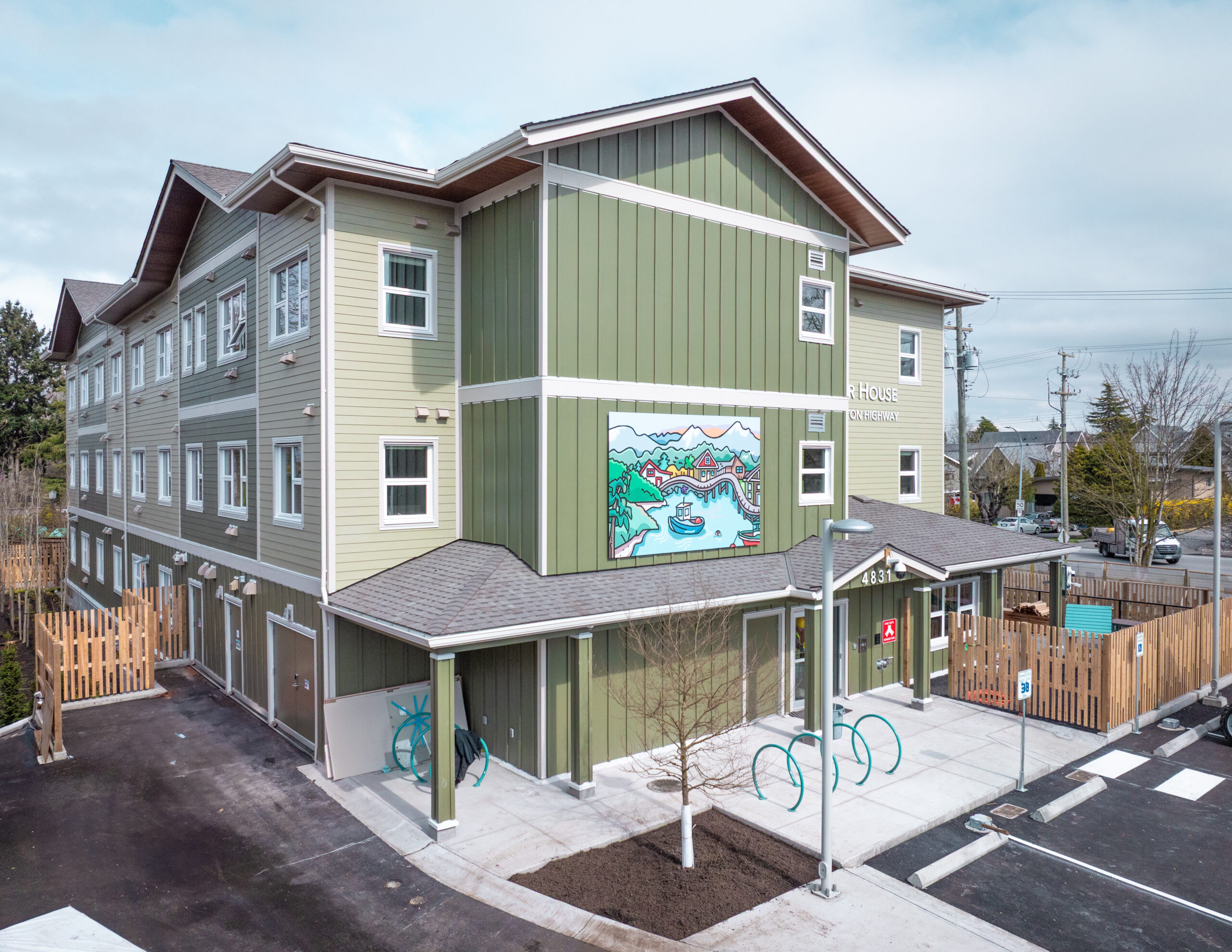
What This Means For Canadians
Canada is entering one of the most ambitious housing delivery periods in its history. Increasing housing supply is one of the most effective tools available to:
- Reduce affordability pressures
- Stabilize communities
- Address homelessness at scale
The shift is already underway, from slow site-dependent construction toward repeatable, scalable systems capable of delivering housing with speed and certainty. Modular construction will be central to that transition. As governments, communities, and industry adapt to this new reality, the question is no longer whether modular construction can work, but how quickly it can be scaled to meet the moment.